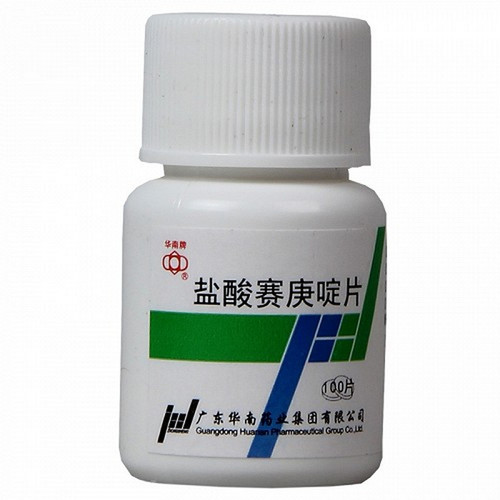
Product Overview
Drug Ingredients:
Benzohexol
Chemical Composition:
Chemical Name: The main ingredient of this product is benztropine hydrochloride, its chemical name is: α-cycloethyl-α-phenyl-1-piperidinpropanol hydrochloride. Molecular Formula: C20H31NO·HCl, Molecular Weight: 337.93.
Appearance:
This product is a white tablet.
Indications:
Used for Parkinson's disease and Parkinson's syndrome. It can also be used for drug-induced extrapyramidal disorders.
Dosage and Administration:
Oral administration. For Parkinson's disease and Parkinson's syndrome, start with 1-2 mg (0.5-1 tablet) daily, then increase by 2 mg (1 tablet) every 3-5 days until the best therapeutic effect is achieved without adverse reactions. Generally, the daily dose should not exceed 10 mg (5 tablets), divided into 3-4 doses. Long-term use is required. Maximum daily dose is 20 mg (10 tablets). For drug-induced extrapyramidal disorders, the first day's dose is 2-4 mg (1-2 tablets), divided into 2-3 doses. The dose can be gradually increased to 5-10 mg (2.5-5 tablets) as needed and with good tolerance. Dosage should be reduced appropriately for elderly patients.
Adverse Reactions:
Common side effects include dry mouth and blurred vision. Occasionally, tachycardia, nausea, vomiting, urinary retention, and constipation may occur. Long-term use may lead to drowsiness, depression, memory loss, hallucinations, and confusion.
Contraindications:
Patients with glaucoma, urinary retention, or benign prostatic hyperplasia.
Precautions:
Not yet clear.
Overdosage:
Symptoms of poisoning: Overdose may cause dilated pupils, increased intraocular pressure, palpitations, tachycardia, dysuria, weakness, headache, facial flushing, fever, or abdominal distension. Sometimes, symptoms of toxic psychosis such as confusion, delirium, delusions, and hallucinations may occur. Severe cases may result in coma, seizures, and circulatory failure. Treatment: Induce vomiting or perform gastric lavage, take measures to increase excretion, and provide appropriate symptomatic and supportive treatment according to the patient's condition.
Population:
Use with caution. Long-term use in the elderly may easily induce glaucoma. Patients with arteriosclerosis are prone to experiencing mental confusion, disorientation, anxiety, hallucinations, and psychotic symptoms with commonly used doses of anti-Parkinson's drugs. Use with caution. Use with caution. Use with caution.
FDA Pregnancy Drug Classification:
Category C:
Drug Interactions:
1. When this product is used in combination with ethanol or other central nervous system depressants, the central nervous system depressant effect may be enhanced.
2. When this product is used in combination with amantadine, anticholinergic drugs, monoamine oxidase inhibitors such as pargeline and procarbazine, the anticholinergic effect may be enhanced, and paralytic ileus may occur.
3. When this product is used in combination with monoamine oxidase inhibitors, hypertension may occur.
4. When this product is used in combination with antacids or adsorbent antidiarrheals, the effect of this product may be weakened.
5. When this product is used in combination with chlorpromazine, the latter's metabolism is accelerated, which can lower its blood concentration. 6. When this product is used in combination with cardiac glycosides, it can prolong the latter's residence time in the gastrointestinal tract, increase absorption, and easily lead to poisoning.
Manufacturer:
Hunan Zhongnan Pharmaceutical Co., Ltd.